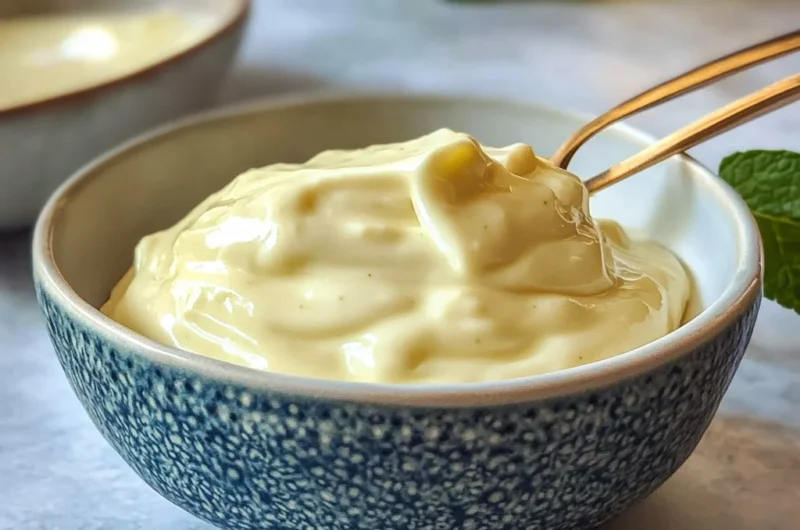
Imagine the first dip of a crisp vegetable stick into a bowl of creamy, rich homemade mayo, where the smooth texture envelops every bite and its tangy flavor dances on your palate. It’s that perfect blend of simplicity and indulgence that transforms any ordinary sandwich or salad into something extraordinary, making you wonder why you ever settled for store-bought versions.
Reflecting back, I remember my grandmother whipping up her signature homemade mayo on lazy Sunday afternoons, the kitchen filled with laughter and the alluring aroma of fresh ingredients. There’s something magical about making this delectable condiment from scratch—it’s not just a recipe; it’s an invitation to create memories around the dinner table that will last a lifetime. So get ready to elevate your culinary game, because this homemade mayo promises an unforgettable flavor experience that will leave you craving more.
Why Is homemade mayo So Irresistibly Good?
Richness from a single large egg yolk creates a creamy texture that store-bought versions can’t match. Zesty Dijon mustard adds a delightful tang, elevating your dishes instantly. Freshness is guaranteed with simple ingredients like white wine vinegar and neutral oil, making it perfect for any palate. Versatile enough for sandwiches, salads, or dips, this homemade mayo is sure to impress friends and family alike! Plus, it takes just 10 minutes to whip up—saving you time without sacrificing flavor.
homemade mayo Ingredients
- 1 large egg yolk (at room temperature) – This is the rich base that gives your homemade mayo its creamy texture.
- 1 tablespoon Dijon mustard – Adds a tangy flavor that elevates your mayo from ordinary to extraordinary.
- 1 tablespoon white wine vinegar – Provides acidity and brightness, balancing the richness of the egg yolk and oil.
- 1 cup neutral oil (such as canola or grapeseed) – The main ingredient that creates that luscious, thick consistency we all love in mayonnaise.
- 1 pinch salt (to taste) – Enhances all the flavors, ensuring your homemade mayo is perfectly seasoned.
How to Make homemade mayo
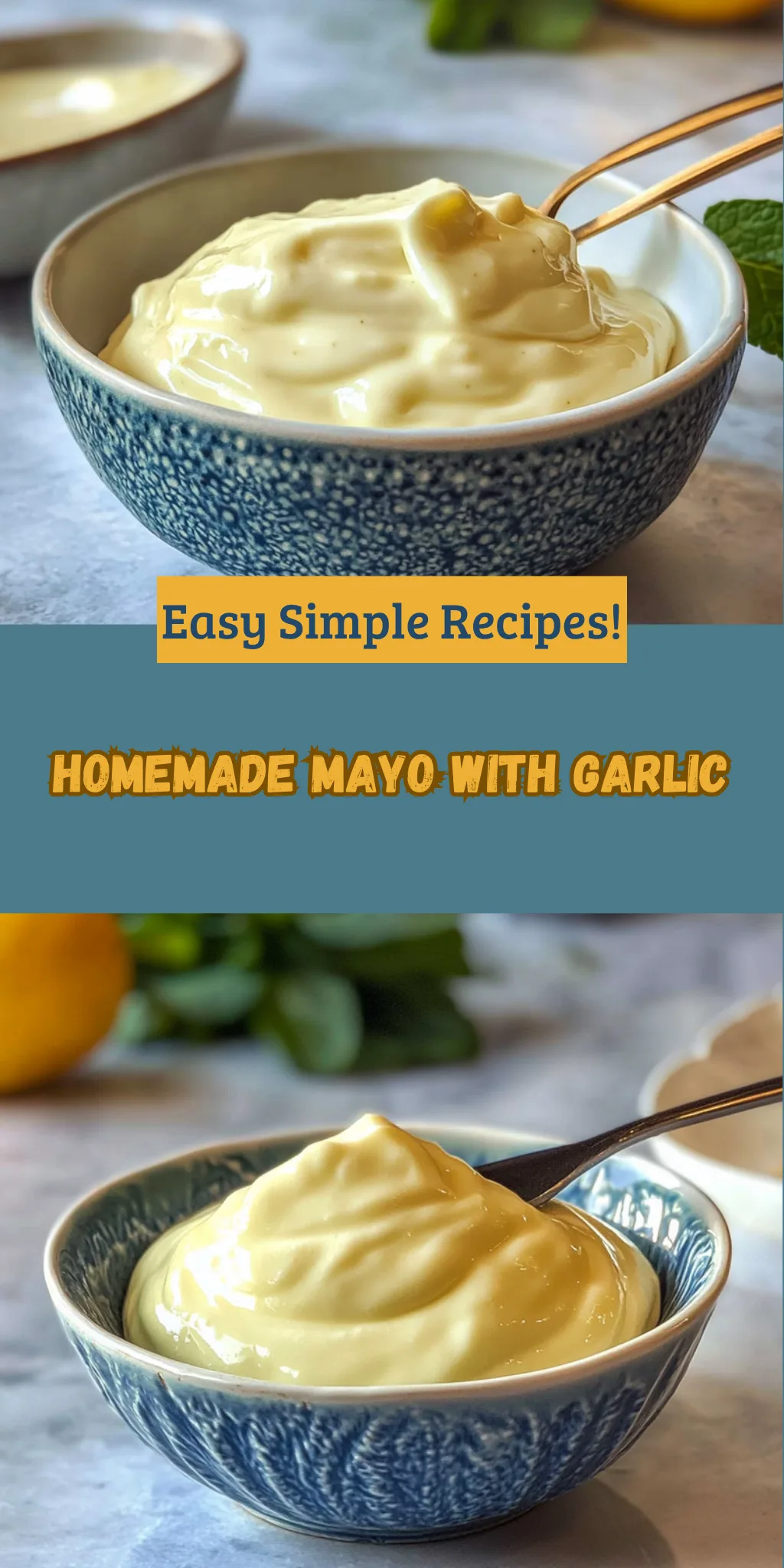
1. Combine: In a blender, combine 1 large egg yolk (at room temperature), 1 tablespoon Dijon mustard, and 1 tablespoon white wine vinegar. This will be the flavorful base of your creamy mayo.
2. Blend: Blend on low speed for about 30 seconds until well mixed. You want to create a smooth, cohesive mixture that sets the stage for emulsification.
3. Emulsify: With the blender running, slowly drizzle in 1 cup of neutral oil (such as canola or grapeseed) until the mixture emulsifies and thickens. This process should take just a few minutes; watch it transform into velvety goodness!
4. Season: Once thickened, add a pinch of salt to taste and blend briefly to combine. Adjust the seasoning as desired, creating a flavor that’s perfectly suited to your palate.
5. Store: Transfer the mayonnaise to a clean container and refrigerate. It’s best enjoyed fresh but will keep well in the fridge for about a week.
Optional: For an extra touch, add a squeeze of lemon juice for brightness!
Exact quantities are listed in the recipe card below.
Tips for the Best homemade mayo
- Room Temperature Egg: Use a large egg yolk at room temperature for better emulsification, ensuring a creamy texture without separation.
- Slow Oil Addition: Drizzle in the oil very slowly while blending. This gradual process helps to properly emulsify and thicken your homemade mayo.
- Mustard Magic: Don’t skip the Dijon mustard; it not only adds flavor but also aids in stabilizing the emulsion for a smoother finish.
- Vinegar Balance: Adjust the amount of white wine vinegar to taste. Too little may make your mayo bland, while too much can overpower its richness.
- Blend Wisely: If your mayonnaise doesn’t thicken, try increasing the blender speed or adding a bit more oil gradually until it reaches the desired consistency.
- Storage Note: Always refrigerate your homemade mayo in a clean container to keep it fresh and safe for up to one week.
How to Store and Freeze homemade mayo
- Fridge: Store your homemade mayo in an airtight container for up to 1 week. Always use a clean spoon to avoid contamination.
- Freezer: While not ideal, you can freeze homemade mayo for up to 2 months. Thaw in the refrigerator and whisk well before using, as texture may change.
- Room Temperature: Avoid leaving homemade mayo out at room temperature for more than 2 hours to prevent spoilage, especially since it contains a raw egg yolk.
- Usage Tips: If you notice any off smell or separation, it’s best to discard the mayo rather than risk food safety.
homemade mayo Your Way
Feel free to let your creativity shine as you customize this creamy delight to suit your taste buds!
- Garlic Infusion: Add 1-2 cloves of minced garlic for a zesty twist. This variation brings a robust flavor that elevates sandwiches and dips alike. It’s perfect for those who love the boldness of garlic in every bite.
- Herb-Infused: Incorporate fresh or dried herbs like dill, basil, or parsley. A tablespoon of finely chopped herbs adds freshness and a beautiful green hue. This version is fantastic for salads, seafood, or as a lovely spread on wraps.
- Spicy Kick: Mix in a teaspoon of sriracha or your favorite hot sauce for heat. This fiery addition creates an exciting contrast to the creamy base. It’s sure to please anyone who loves a bit of spice in their life!
- Citrus Zest: Stir in the zest of one lemon or lime for a bright, tangy flavor. The citrus notes will lighten up your mayo, making it delightful on fish or grilled veggies. It’s like a breath of fresh air in your dishes!
- Smoky Flavor: Use smoked paprika instead of regular paprika to add depth and warmth. This creates a unique smoky profile perfect for barbecues and grilled meats. It’s an unexpected twist that will impress your guests!
- Avocado Oil Swap: Replace neutral oil with avocado oil for a richer taste and healthy fats. This variation not only enhances the flavor but also boosts the nutritional value. It’s creamy and deliciously satisfying!
- Vegan Option: Substitute the egg yolk with 1 tablespoon aquafaba (chickpea liquid) for a plant-based version. It whips up just as beautifully and is perfect for vegan diets. You won’t believe how close it comes to traditional mayo!
- Mustard Variations: Try using whole grain mustard instead of Dijon for texture and added flavor complexity. The crunchy bits provide an interesting mouthfeel that complements sandwiches wonderfully.
Make Ahead Options
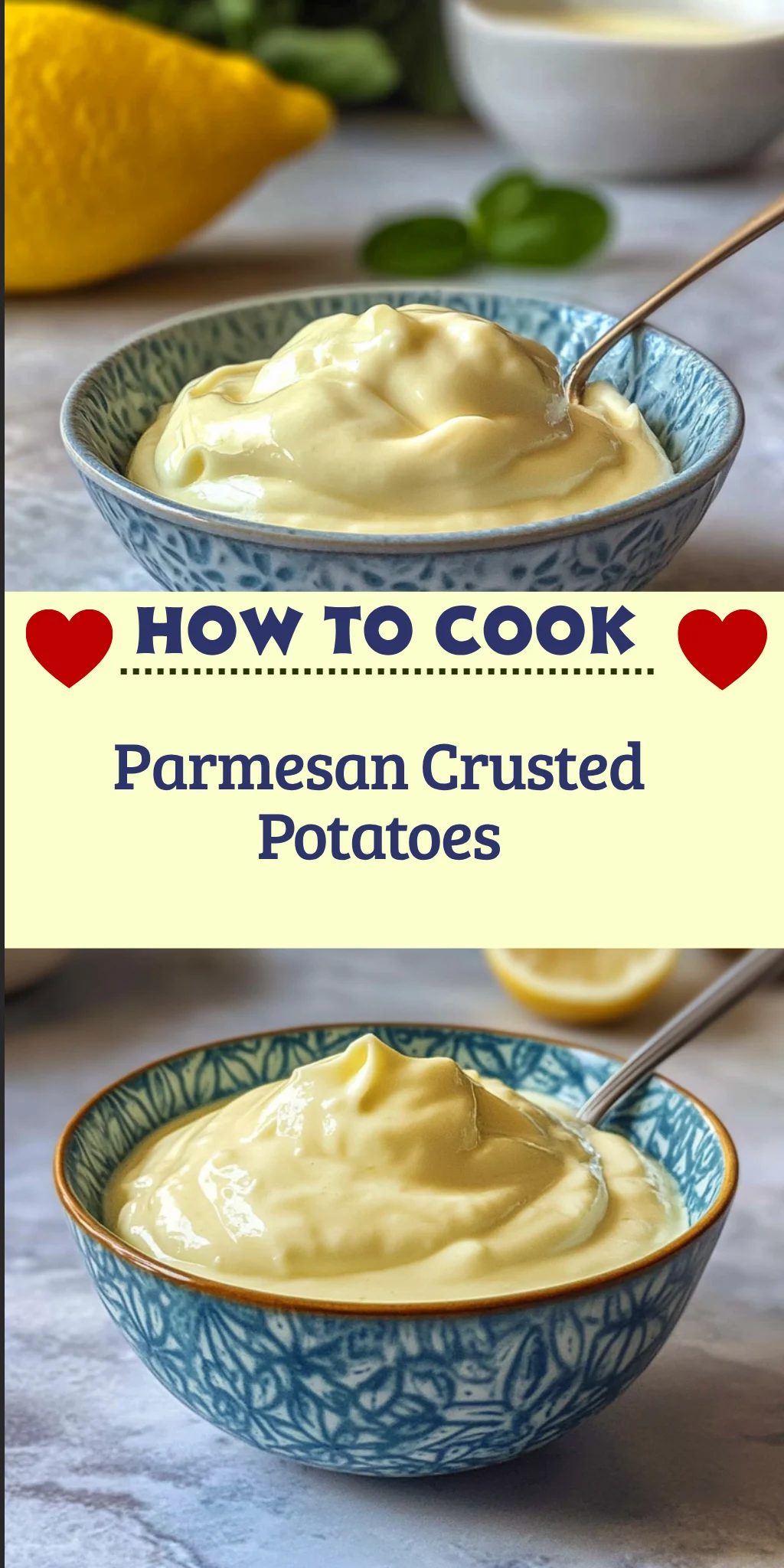
Preparing homemade mayo is a fantastic choice for meal prep, allowing you to enhance your dishes with a creamy touch at any time. You can easily pre-measure the base ingredients: 1 large egg yolk, 1 tablespoon Dijon mustard, and 1 tablespoon white wine vinegar can be combined in advance and stored in the refrigerator for up to 24 hours. When you’re ready to whip up that delicious homemade mayo, just blend these ingredients on low speed for about 30 seconds, then gradually drizzle in 1 cup of neutral oil until emulsified. After reaching the desired thickness, simply add a pinch of salt to taste before refrigerating in a clean container. By following these steps ahead of time, you can enjoy fresh homemade mayo within three days while ensuring top-notch flavor and quality!
homemade mayo Recipe FAQs
What type of oil is best for homemade mayo?
For the best flavor and texture in your homemade mayo, opt for a neutral oil like canola or grapeseed. These oils have a mild taste that won’t overpower the other ingredients, allowing the richness of the egg yolk and the zing of Dijon mustard to shine through.
How should I store my homemade mayonnaise?
Once you’ve whipped up your creamy concoction, transfer it to a clean, airtight container and refrigerate it. Your homemade mayo will stay fresh for about one week. Just make sure to keep it covered; this will help maintain its creamy consistency and prevent any unwanted flavors from seeping in.
Can I freeze homemade mayonnaise?
While freezing isn’t recommended for traditional mayonnaise due to its emulsified nature, if you find yourself with extra mayo, consider using it in cooked dishes later on. The texture may change when thawed, so it’s best enjoyed fresh within a week!
What if my mayonnaise doesn’t thicken?
If your mayo isn’t thickening as expected, it might be because the oil was added too quickly or the ingredients weren’t blended long enough. Try adding another egg yolk and blending again while slowly drizzling in more oil until you achieve that luscious, creamy consistency you’re looking for!
Can I substitute the egg yolk for something else?
If you’re looking for an egg-free option, aquafaba (the liquid from canned chickpeas) can be a fantastic substitute! Use about three tablespoons of aquafaba in place of the egg yolk. The process remains similar—just blend until thickened!
How many servings does this recipe yield?
This homemade mayo recipe makes about 4 servings, each with approximately 100 calories. It’s perfect for sandwiches, salads, or as a base for delicious dips!
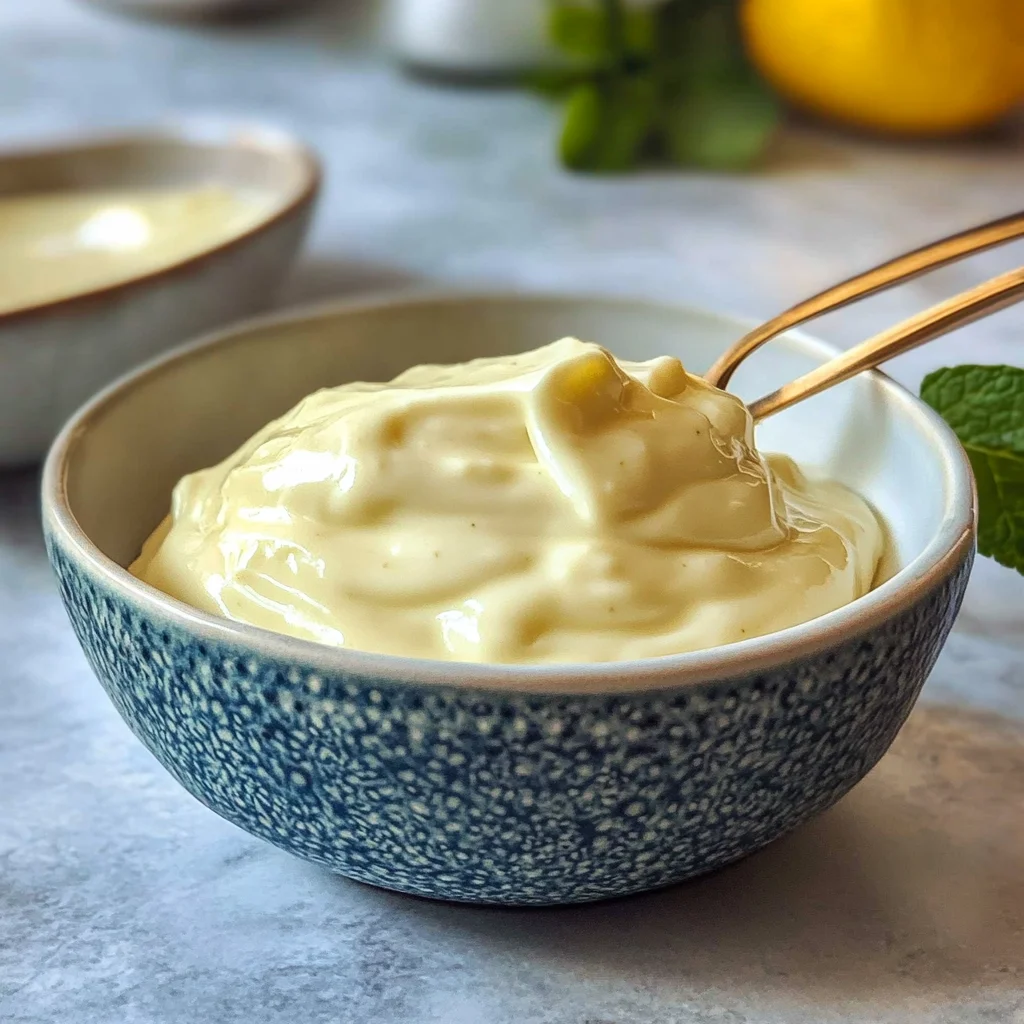
Homemade Mayo
Ingredients
Method
- In a blender, combine the egg yolk, Dijon mustard, and white wine vinegar.
- Blend on low speed for about 30 seconds until well mixed.
- With the blender running, slowly drizzle in the oil until the mixture emulsifies and thickens.
- Once thick, add salt to taste and blend briefly to combine.
- Transfer the mayonnaise to a clean container and refrigerate.