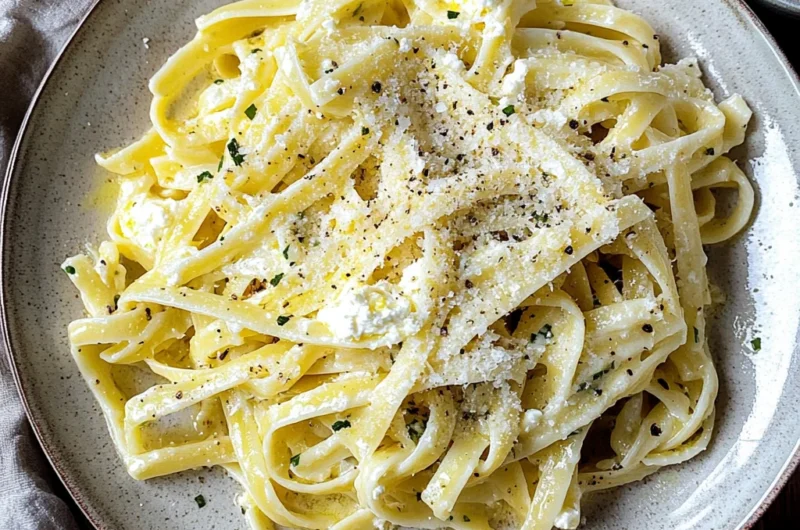
Imagine twirling a forkful of creamy ricotta pasta, each bite bursting with the rich, velvety flavor that sings to your taste buds. The aroma wafts through the air, inviting you to dive in and savor the delicate balance of fresh herbs and tangy cheese that makes this dish irresistible.
As I recall the first time I tried ricotta pasta at my grandmother’s kitchen table, I can still hear her laughter paired with the clinking of forks as we devoured every last morsel. Whether it’s a cozy family dinner or a spontaneous gathering with friends, this delightful dish promises to elevate any occasion and leave everyone craving more.
Why Is ricotta pasta So Irresistibly Good?
Creamy texture: The rich, velvety consistency of ricotta elevates any pasta dish, making every bite a delight.
Quick to prepare: With minimal cooking time and simple ingredients, this recipe is perfect for busy weeknights.
Endless versatility: Whether paired with fresh veggies or savory meats, ricotta pasta adapts to any taste preference.
Crowd pleaser: Its comforting flavors and inviting aroma will have everyone asking for seconds!
Unique twist: This isn’t just another pasta dish; the ricotta adds an unexpected depth that will impress your guests.
ricotta pasta Ingredients
For the Pasta
- 2 cups all-purpose flour – This will provide the perfect base for your ricotta pasta.
- 3 large eggs – Fresh eggs help bind the dough together for a silky texture.
- 1/2 teaspoon salt – A pinch of salt enhances the flavor of the pasta.
For the Ricotta Filling
- 1 cup ricotta cheese – Creamy and rich, this is the star of your filling.
- 1/2 cup grated Parmesan cheese – Adds a savory depth to balance the ricotta’s creaminess.
- 1/4 teaspoon black pepper – Brings a subtle warmth to the filling.
- 1 tablespoon fresh parsley (chopped) – Fresh herbs brighten up the flavor profile beautifully.
For the Sauce
- 2 tablespoons olive oil – A light drizzle adds richness without overpowering the dish.
- 2 cloves garlic (minced) – Infuses your sauce with aromatic goodness that complements the pasta perfectly.
- 1 can (14 oz) diced tomatoes – Provides a tangy base for your sauce, making it vibrant and delicious.
Enjoy crafting this delightful dish that brings comfort and joy to your dining table!
Step-by-Step ricotta pasta
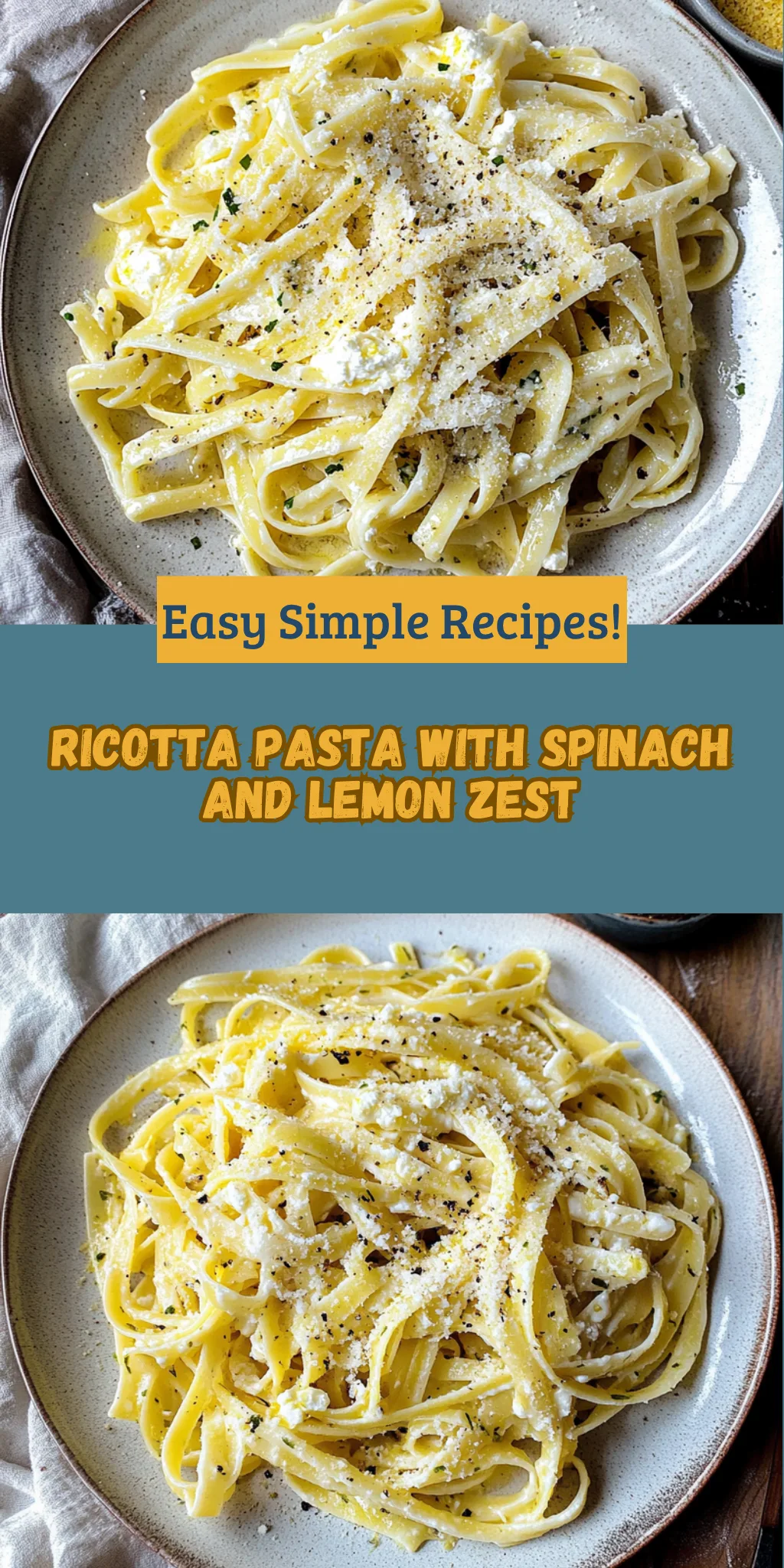
1. Prepare the Pasta: Begin by boiling a large pot of salted water. Add your pasta and cook according to package instructions until al dente, usually around 8-10 minutes. Stir occasionally to ensure even cooking.
2. Drain and Reserve: Once the pasta is perfectly cooked, reserve about a cup of the pasta water, then drain the rest using a colander. This starchy water will help create a creamy sauce later!
3. Combine with Ricotta: In a large mixing bowl, combine the drained pasta with fresh ricotta cheese while it’s still warm. The heat will help the ricotta melt slightly, creating a luscious texture.
4. Add Seasoning: Season your ricotta pasta mixture with salt and freshly cracked black pepper. Stir gently to combine all flavors; the seasonings should enhance the creaminess without overpowering it.
5. Incorporate Reserved Water: Gradually mix in some of the reserved pasta water until you reach your desired consistency—smooth and creamy but not too runny. This step is crucial for achieving that perfect texture!
6. Serve Warm: Plate up your ricotta pasta while it’s still warm, allowing everyone to enjoy its comforting aroma and creamy goodness right away.
Optional: Top with fresh basil or a sprinkle of Parmesan for an extra touch of flavor!
Exact quantities are listed in the recipe card below.
Tips for the Best ricotta pasta
- Quality Ricotta: Use fresh, high-quality ricotta for a creamy sauce that elevates your pasta dish. Avoid pre-packaged, grainy brands.
- Pasta Timing: Cook the pasta al dente. Overcooked pasta can become mushy and won’t hold up well with the ricotta sauce.
- Reserve Pasta Water: Always save a cup of starchy pasta water before draining. It helps to adjust the sauce consistency and adds flavor to your ricotta pasta.
- Gentle Mixing: When combining the sauce with pasta, use gentle folding motions to keep the ricotta creamy and avoid breaking the pasta.
- Season Well: Don’t forget to season your ricotta mixture with salt and pepper. A pinch of nutmeg can also enhance the flavors beautifully.
How to Store and Freeze ricotta pasta
- Fridge: Store leftover ricotta pasta in an airtight container for up to 3 days. This keeps it fresh and prevents moisture loss.
- Freezer: For longer storage, freeze ricotta pasta in a freezer-safe container for up to 2 months. Ensure it’s well-sealed to avoid freezer burn.
- Thawing: To enjoy frozen ricotta pasta, thaw overnight in the fridge or use the microwave. Reheat gently on the stove with a splash of water for best texture.
- Reheating: When reheating, warm ricotta pasta over low heat and stir frequently to maintain creaminess and prevent sticking.
Make ricotta pasta Your Own
Feel free to explore these delightful twists and substitutions to make this dish uniquely yours!
- Spinach & Ricotta: Add fresh spinach to the ricotta mixture for a vibrant color and a nutritious boost. The earthy flavor of the spinach pairs beautifully with the creamy cheese, creating a dish that’s as colorful as it is delicious.
- Zesty Lemon: Incorporate lemon zest and juice to brighten the dish. This adds a refreshing tang that elevates the creamy texture, making each bite feel like a sunny day.
- Herbed Delight: Mix in fresh herbs like basil or parsley for an aromatic twist. These herbs infuse the pasta with an enticing fragrance, turning your meal into an herbaceous masterpiece.
- Nutty Crunch: Sprinkle toasted pine nuts or walnuts on top for added texture. The nutty crunch complements the smooth ricotta perfectly, providing a satisfying contrast with every forkful.
- Spicy Kick: Add crushed red pepper flakes for some heat. This simple adjustment brings warmth to the dish, making it a comforting yet exciting option for spice lovers.
- Roasted Veggies: Toss in roasted seasonal vegetables like zucchini or bell peppers. Roasting enhances their natural sweetness, creating a hearty and colorful addition to your pasta.
- Creamy Vegan Option: Replace ricotta with cashew cream for a dairy-free alternative. This swap maintains creaminess while catering to vegan diets, ensuring everyone can enjoy it!
- Savory Sausage: Crumble cooked Italian sausage into the mix for a meaty twist. The savory flavor adds depth and richness, transforming your pasta into a satisfying main course.
Make Ahead Options
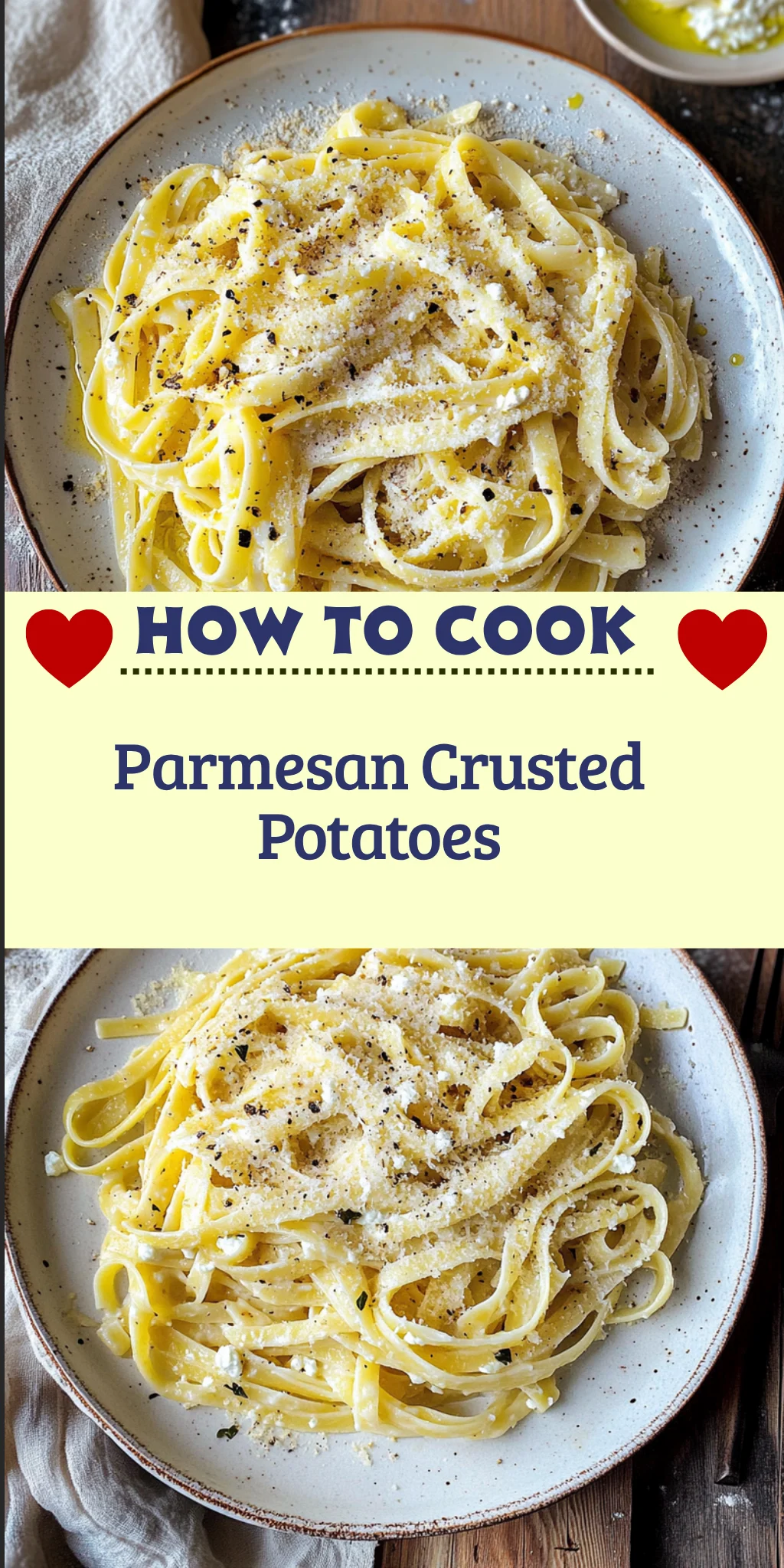
Preparing ricotta pasta ahead of time is an excellent way to save precious minutes during a busy week while still enjoying a delicious meal. You can easily make the ricotta sauce up to 3 days in advance and store it in an airtight container in the refrigerator. Additionally, if you want to take it a step further, you can cook the pasta al dente, cool it, and toss it with a little olive oil to prevent sticking; this can be done 24 hours before serving. When you’re ready to enjoy your meal, simply combine the cooked pasta with the sauce in a skillet over medium heat until warmed through. This not only preserves the quality of your ricotta pasta but also ensures a quick and satisfying dinner is just moments away!
ricotta pasta Recipe FAQs
What type of ricotta is best for pasta?
For the best flavor and creaminess, use whole-milk ricotta. It has a rich texture that blends beautifully with pasta, creating a luscious sauce. Avoid low-fat or skim varieties, as they can be grainy and less flavorful.
Can I make this dish vegetarian?
Absolutely! This ricotta pasta recipe is naturally vegetarian. For added protein, consider tossing in some sautéed mushrooms or spinach. Both options not only enhance the dish but also provide extra nutrients without compromising on flavor.
How do I store leftover ricotta pasta?
Store any leftover ricotta pasta in an airtight container in the refrigerator for up to 3 days. When ready to enjoy again, simply reheat it on the stove over low heat, adding a splash of water or broth to loosen the sauce if needed.
Can I freeze ricotta pasta?
Yes, you can freeze ricotta pasta! Just make sure to let it cool completely before transferring it to freezer-safe containers. It will keep well for up to 2 months. To reheat, thaw in the fridge overnight and warm gently on the stove.
What if my pasta is too dry?
If your ricotta pasta turns out dry, don’t worry! Simply add a bit of reserved pasta cooking water or olive oil while tossing it with the sauce. This will help restore moisture and create that creamy texture we all love.
How many servings does this recipe yield?
This recipe typically yields about 4 generous servings, making it perfect for a family meal or leftovers for lunch the next day. If you’re feeding a larger crowd, feel free to double the ingredients easily!